
~Randy Burke, Captain / Managing Director, Bluewater Adventures
The Inheritance of a Habit
I’ve got a bit of an addiction. I might as well admit it: I can’t stop picking up plastic beach debris. Looking back, I know exactly where it started. In the 1960s, my father used to pull our car over on the side of the highway just to pick up garbage. As a kid, I’d sit in the seat dying of embarrassment, wondering why we couldn’t just drive on like everyone else. But as they say, the fruit doesn’t fall far from the tree. That habit eventually followed me out to sea.
From Personal Habit to Industrial Scale
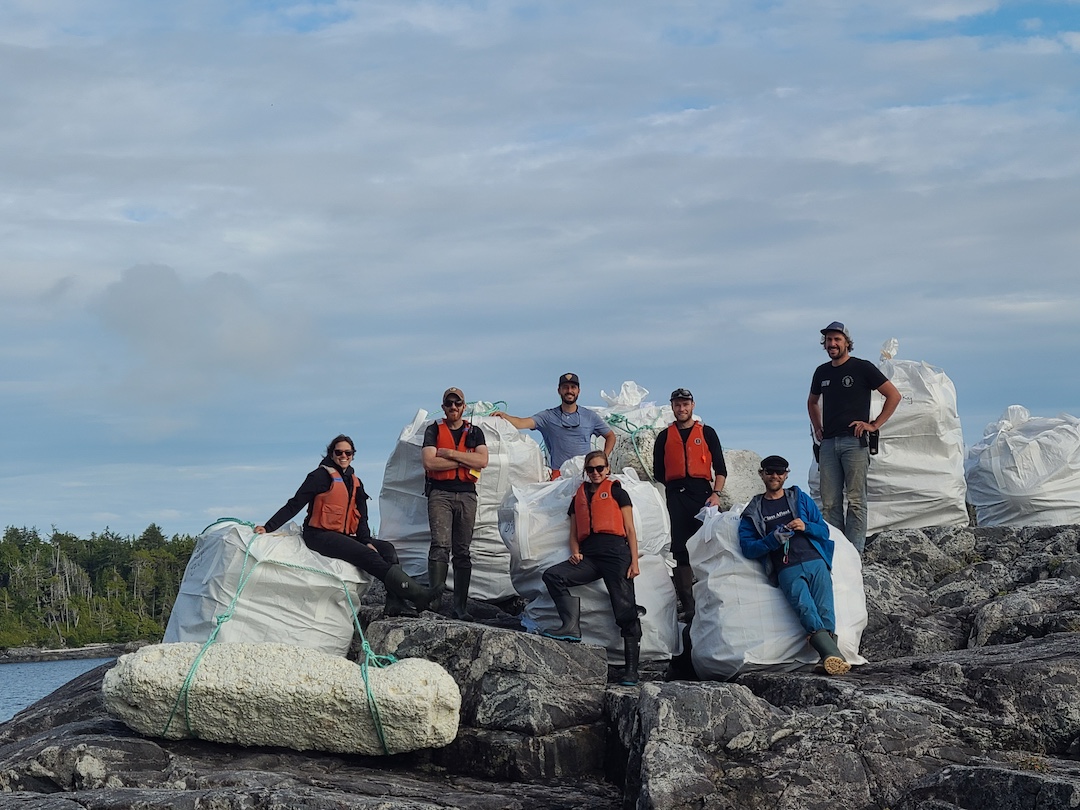
The full weight of this addiction really hit home during the COVID-19 pandemic. Our usual trips were paused, so we decided to put our boats to work. Bluewater led a series of expeditions that ended up being some of the hardest, grittiest work of my life. Together with other operators, we scoured the coast and hauled away a staggering volume of marine debris. The scale of that haul included:
- Over 250 tonnes of plastic debris.
- Huge tangles of rope, netting, and fishing floats.
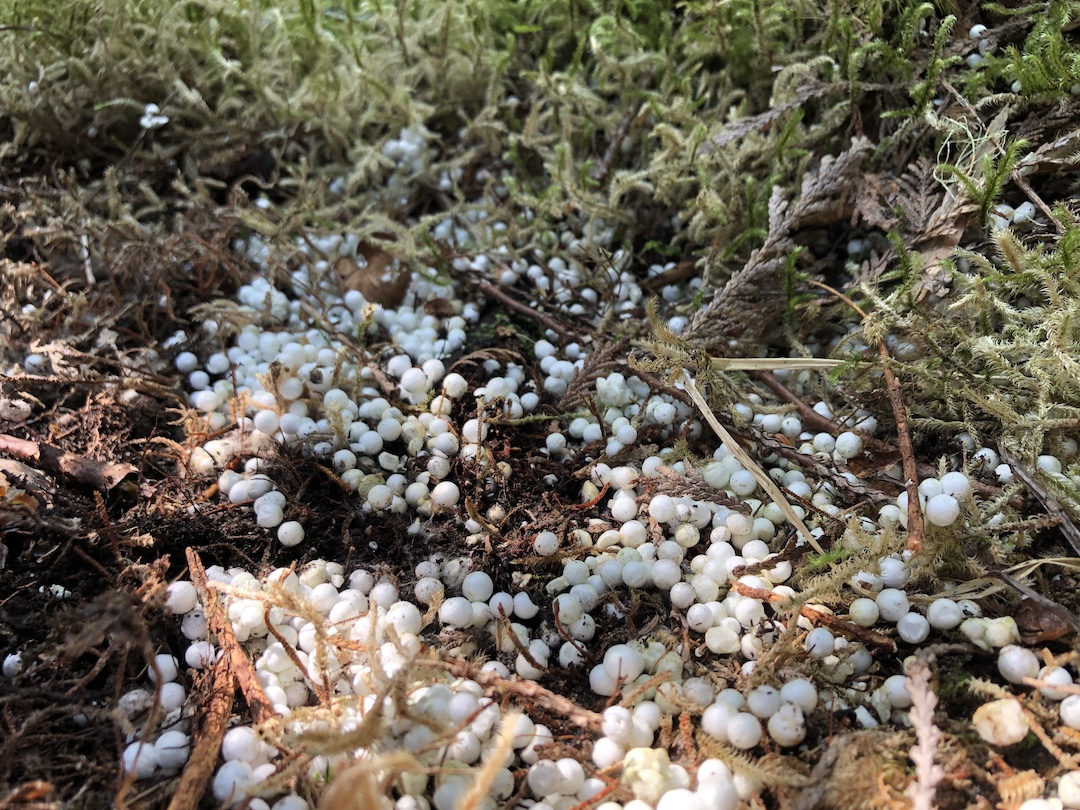
- Crumbling polystyrene styrofoam.
- Exactly 77,000 “disposable” plastic water bottles.
By the end of those expeditions, my back was shot and I was exhausted, but I have never felt more satisfied.
The Philosophy of the Small Yacht
Now that we are back to taking guests into the remote wilderness of British Columbia and Alaska, this habit has remained a core part of how we operate. Our identity is built around small yacht expedition cruising. We use motor sailers—commercial yachts designed for adventure and exploration in small groups. On each of our Haida Gwaii trips, we spend an hour or two on a beach with our guests, picking up whatever the tide has brought in. We frame this through the Haida principle of reciprocity—the idea of giving back to the land that gives us so much. We don’t want to be just another “taker” out here; we want to be responsible visitors. As a Captain, I’ll be honest: I always have a bit of anxiety about it. I worry about “breaking the spell.” You are in this pristine, beautiful place, and the last thing I want to do is make guests feel guilty or like they are being put to work on their vacation. But I’ve found that when you offer people a chance to give back, the anxiety is usually mine, not theirs.
A Spontaneous Shift at SGang Gwaay
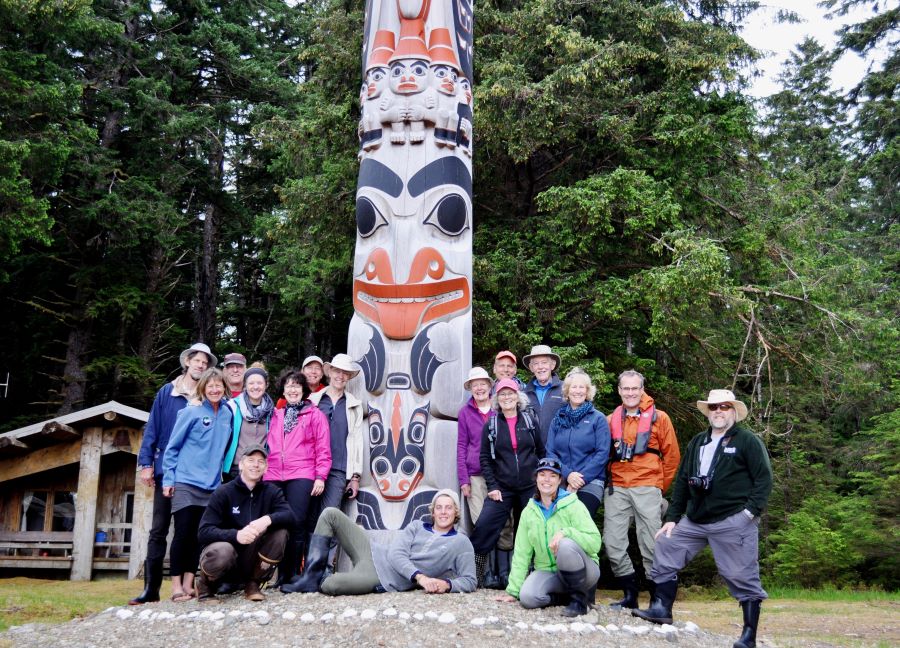
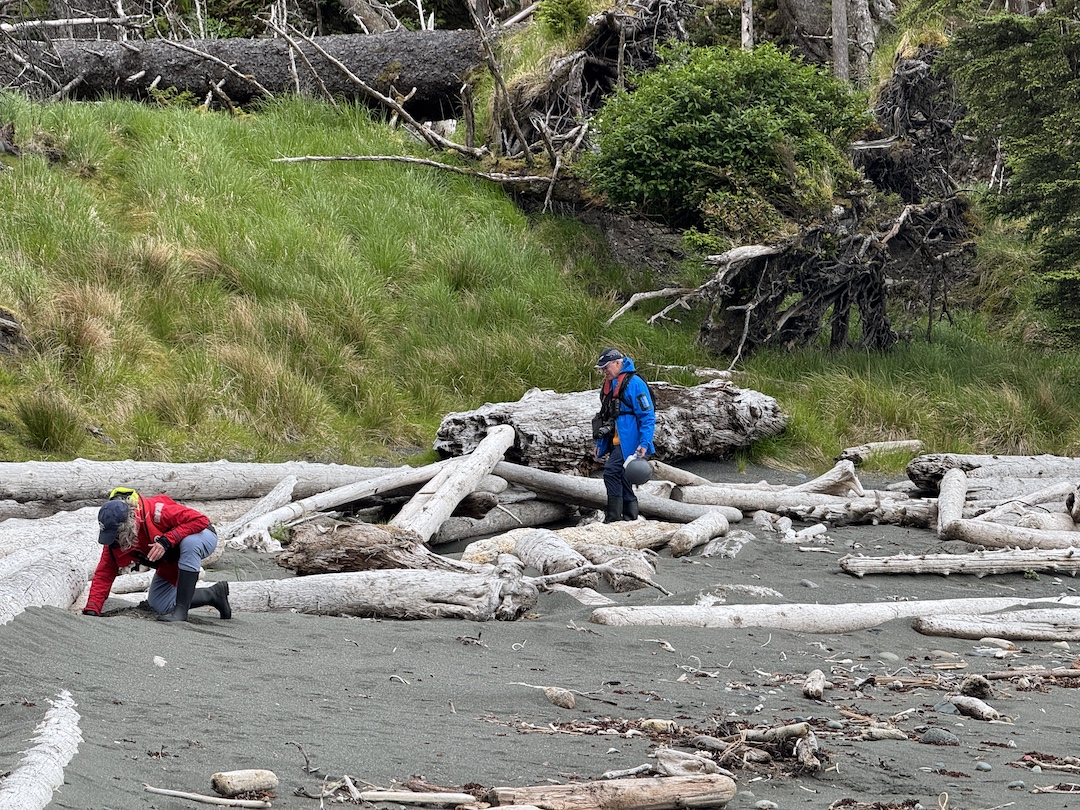
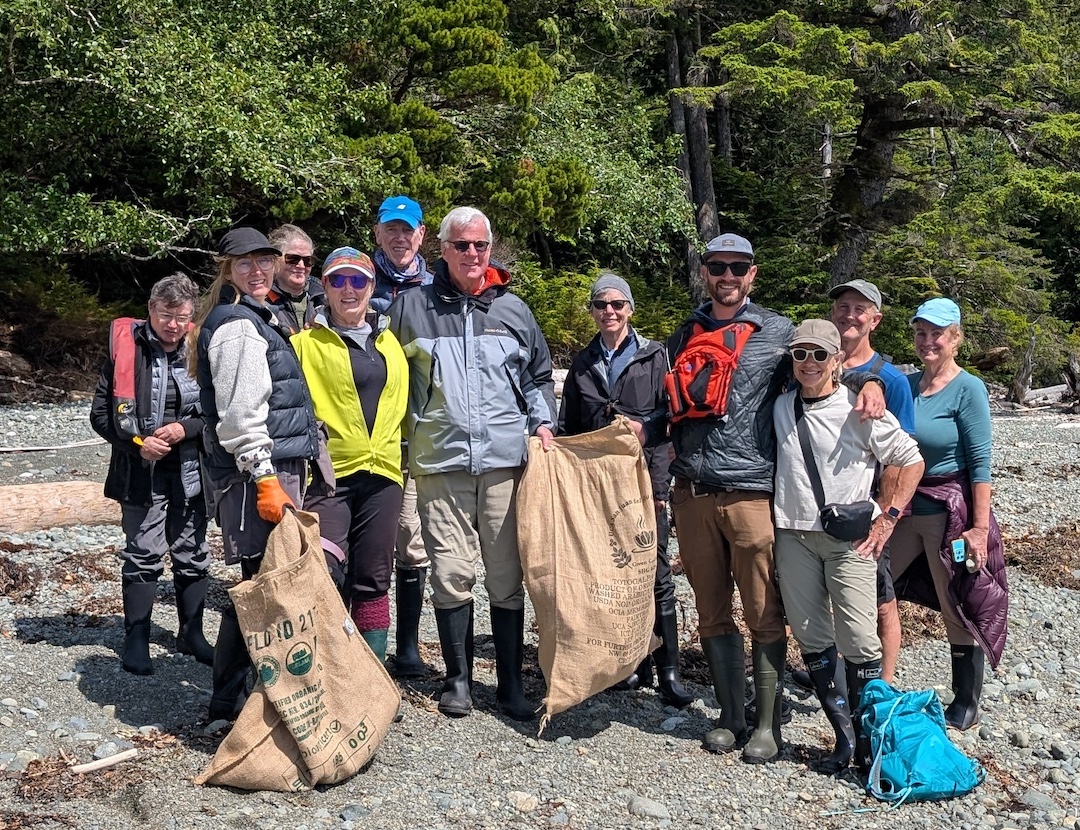
On a recent trip aboard the Island Solitude, I didn’t even have time for my usual speech about our conservation efforts. We were headed for the UNESCO World Heritage Site of SGang Gwaay, but the weather was acting up and delayed our arrival. We decided to duck into a small bay and go ashore at a nearby beach to wait it out. I casually mentioned over the radio that we were going ashore with some large burlap bags if anyone wanted to help with a beach clean up. I was stunned. The first six guests didn’t just walk onto the sand; they rushed up the beach with bags already in hand. By the time the rest of the group landed, piles of junk were already growing. We found water bottles tucked behind logs and bits of hard plastic hidden up in the bushes. In just one hour, we filled six large bags. We even found a massive 200lb rope that was half-buried in the sand. It was so heavy and waterlogged that we had to cut it into pieces just to move the damn thing. During the cleanup, one guest did muse aloud that she was “paying to pick up garbage.” She wasn’t wrong and was exploring the curious nature of it. The rest of the group was beaming with pride. For many, it wasn’t a chore; it was the highlight of the entire trip.
The Logistics of a Remote Cleanup
Collecting marine debris in remote areas is a significant logistical challenge. We simply don’t have the deck space to carry a mountain of debris for an entire journey. These efforts are only possible because of our partners. We can drop our collected haul at the Parks Canada and Haida Nation Warden Stations. They take on the heavy lifting of transporting the debris to recycling facilities near Vancouver. It is a sobering reality to find the world’s plastic washing up in the wildest corners of North America, but these partnerships make the cleanup feasible.
The Value of a Drop in the Bucket
It is true that these beach clean ups might seem like a drop in the bucket when you consider the millions of tons of plastic entering the ocean every year. But for that one beach (and many others across our operating season), we made this area of the world a little better. By removing that debris, we ensure that the next person to walk that sand won’t see our society’s mess. Instead, they will only see the beauty of the wilderness as it was meant to be. That “drop in the bucket” is everything to the person who walks that beach tomorrow.