
How to Identify a Humpback Whale Like a Scientist
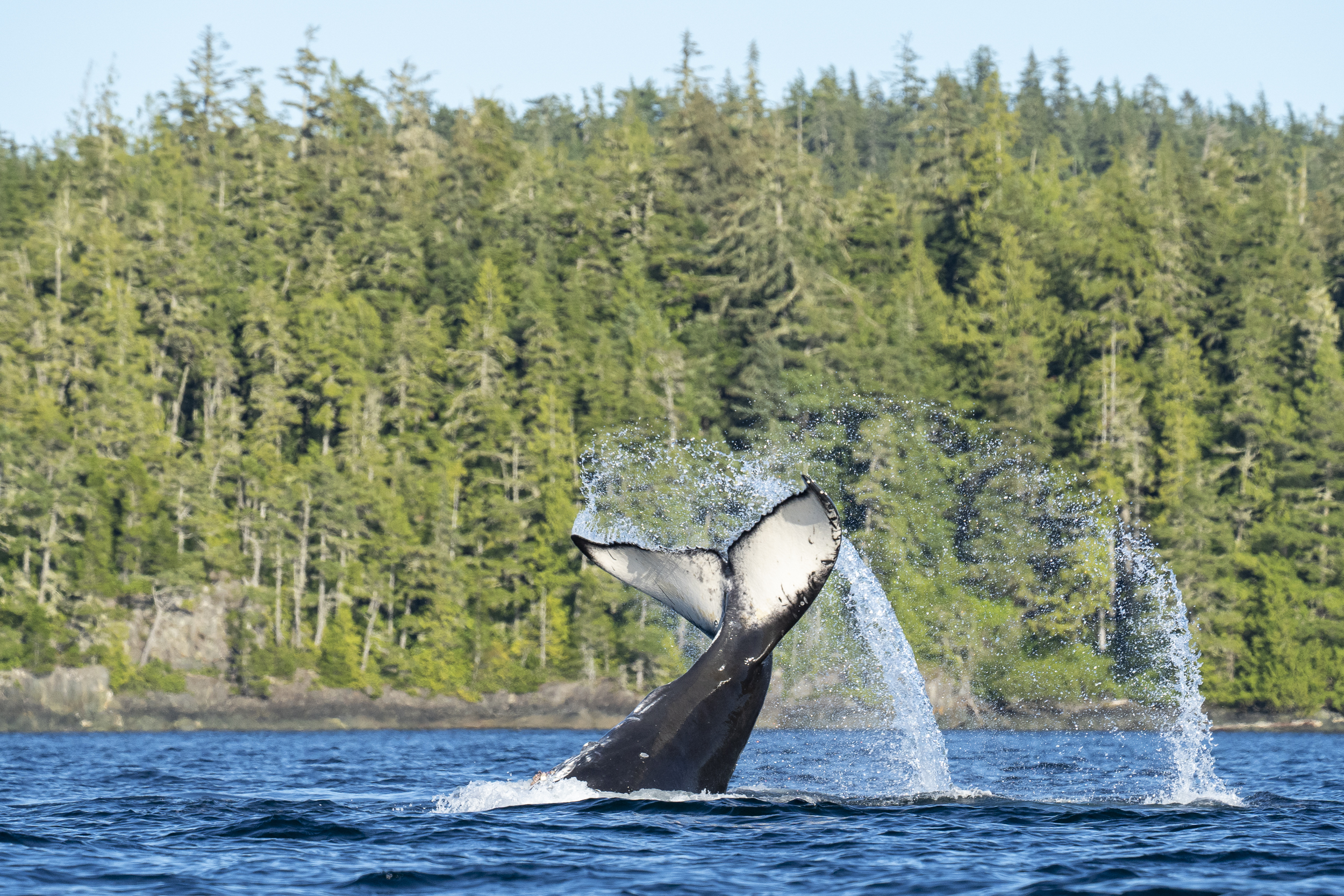
If you’ve ever watched a humpback whale raise its tail upright before a deep dive, you’ve witnessed one of the most delightful moments in whale science. That dramatic flourish—the tail fluke rising, pausing, then slipping beneath the surface—is more than a beautiful sight. It’s a signature. A name tag. A finger print.
Why Flukes Matter
Humpback whales are long‑distance travellers, migrating thousands of kilometres between northern feeding grounds (like British Columbia and Alaska) and warm southern breeding waters. Many return to the same regions year after year, and scientists rely on photographs of their tail flukes to track these movements.
Each fluke is unique—no two patterns are alike. By comparing photos, researchers can follow individual whales across seasons, uncover social relationships, and monitor population health and distribution.
The Science Behind the Snapshot
To identify a humpback whale, scientists focus on the ventral side—the underside—of the tail flukes. This is where the magic lives.
Look for:
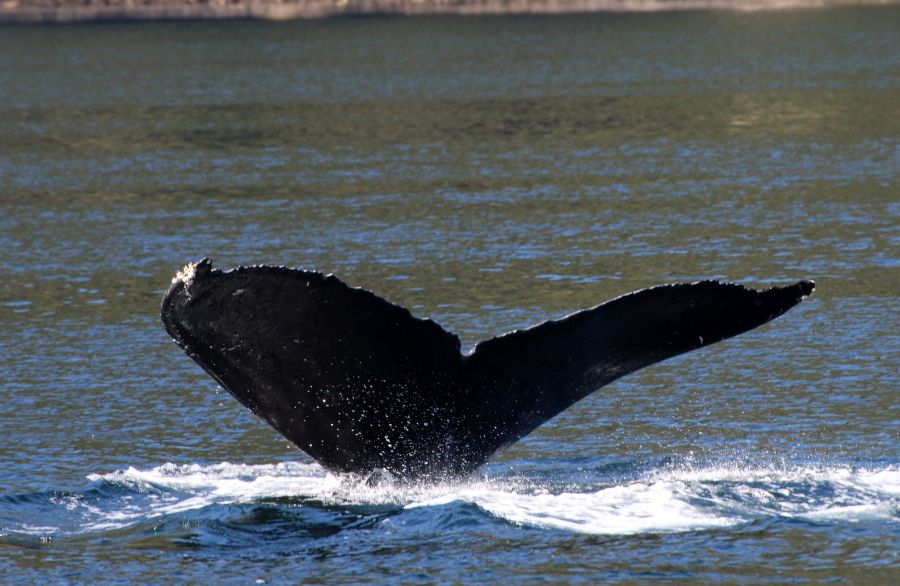
Pigmentation patterns: The mix of black and white varies wildly between whales.
Scars and markings: Tooth rake marks from killer whales, barnacle scars, and nicks along the trailing edge all help distinguish one whale from another.
The trailing edge: The shape and notches along the back edge of the fluke are especially important—think of them as the whale’s handwriting.
For a photo to be scientifically useful, at least 50% of the fluke should be visible, captured at a 90‑degree angle, with the flukes facing the camera. Because whale‑watching regulations require respectful distance, a telephoto lens is the tool of choice for researchers and citizen scientists alike.
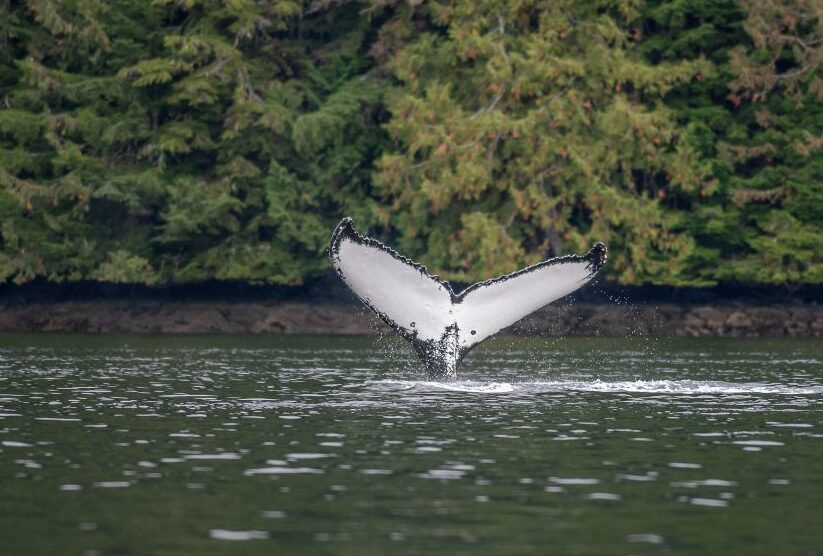
Cracking the BC Whale Code
In British Columbia, humpbacks are catalogued using a simple but clever naming system. Each whale receives an ID beginning with BC, followed by X, Y, or Z, and then a number.
The letter tells you how much white is on the fluke:
- BCX## — mostly dark (0–20% white)
- BCY## — a balanced mix (20–80% white)
- BCZ## — mostly white (80–100% white)
Once you learn the system, you’ll start spotting patterns everywhere. Suddenly, that whale you saw last summer might show up in a photo from Alaska—or return to the same BC inlet the following year.
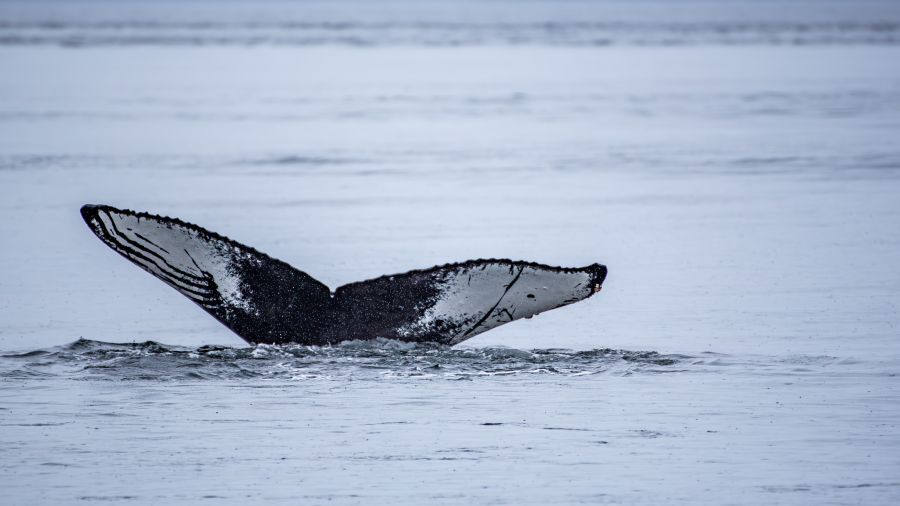
A Gallery of Whale Personalities
If you flip through a humpback ID catalogue, you’ll see just how wildly different flukes can be. Some are jet black with bold scars. Others are bright white with delicate speckling. Some have dramatic trailing‑edge notches; others look smooth and clean.
Each one tells a story of migration, survival, and individuality.
Want to get involved in citizen science? Note the date, time, and location of the whale photographed and submit your photo to organizations such as Marine Education & Research Society (MERS), the Whale Report App (operated by Ocean Wise), or Happywhale.
Photo Credits: Jérémy Mathieu, Eddy Savage, Grant MacHutchon, Samuel Weitzman