
Rising from the Pacific Ocean off the northern coast of British Columbia, Haida Gwaii is a place unlike any other. Often called the “Galápagos of the North” for its unique ecology, these islands are also the ancestral homeland of the Haida Nation, whose connection to the land and sea stretches back thousands of years. Today, Haida Gwaii is celebrated for its rich Indigenous culture, breathtaking wilderness, and a remarkable story of resilience, stewardship, and renewal.
The First People of Haida Gwaii
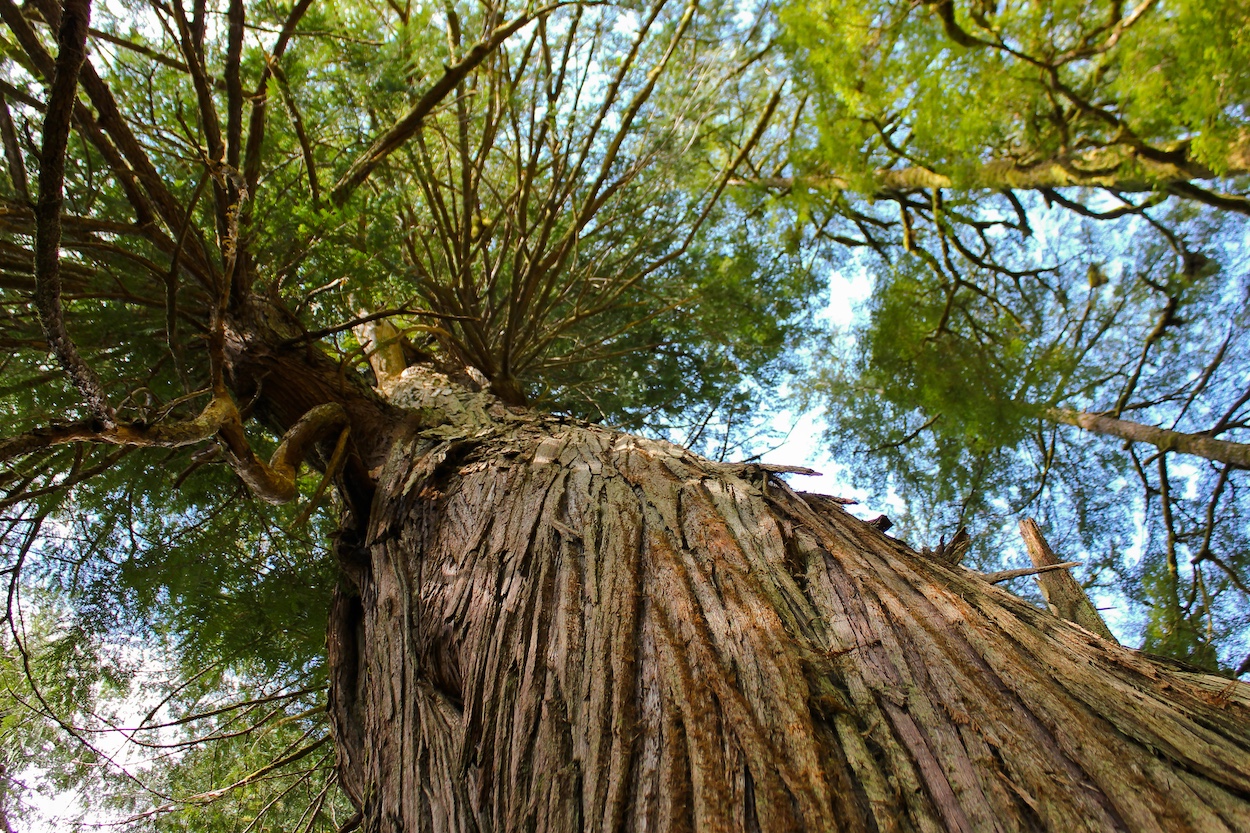
Long before European explorers arrived on the Pacific coast, the Haida people had built thriving communities throughout the archipelago. Archaeological evidence and Haida oral histories indicate that people have lived on these islands for more than 13,000 years, making Haida Gwaii one of the oldest, continuously inhabited places in Canada.
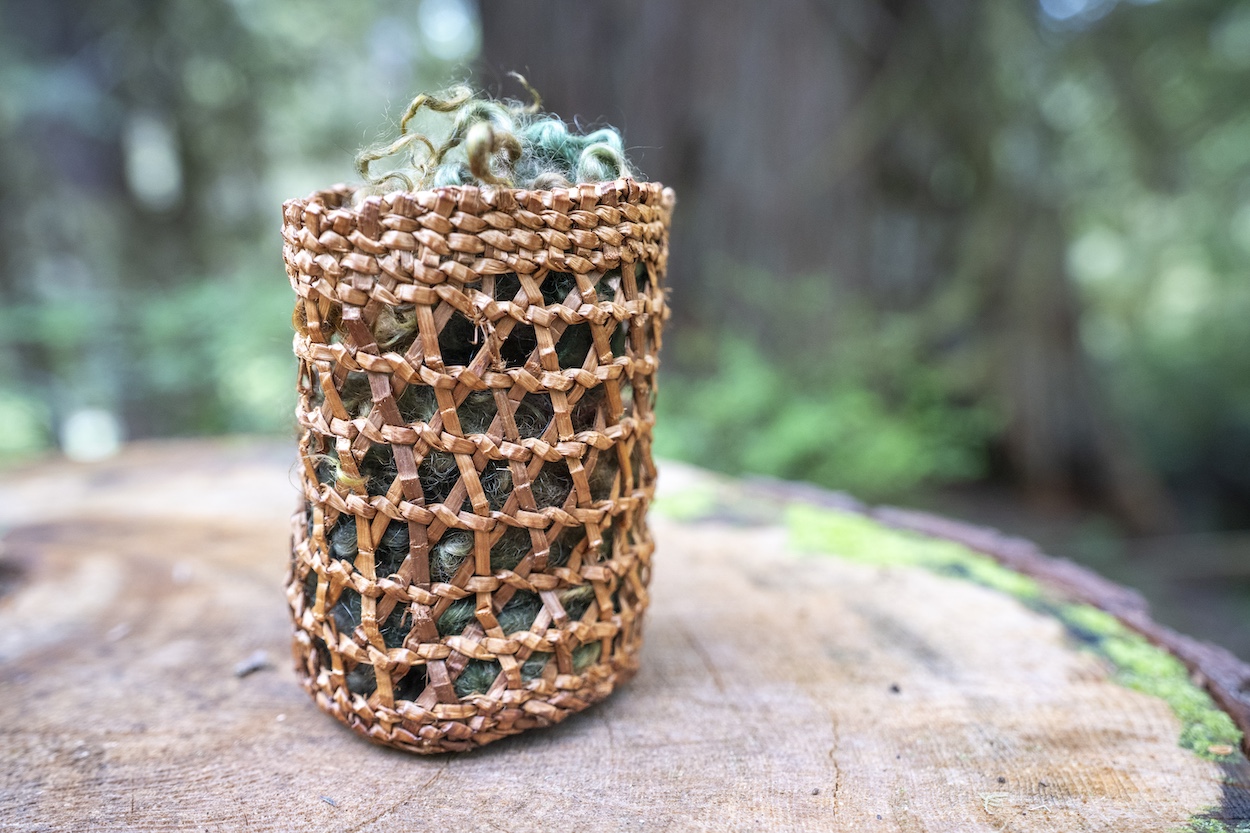
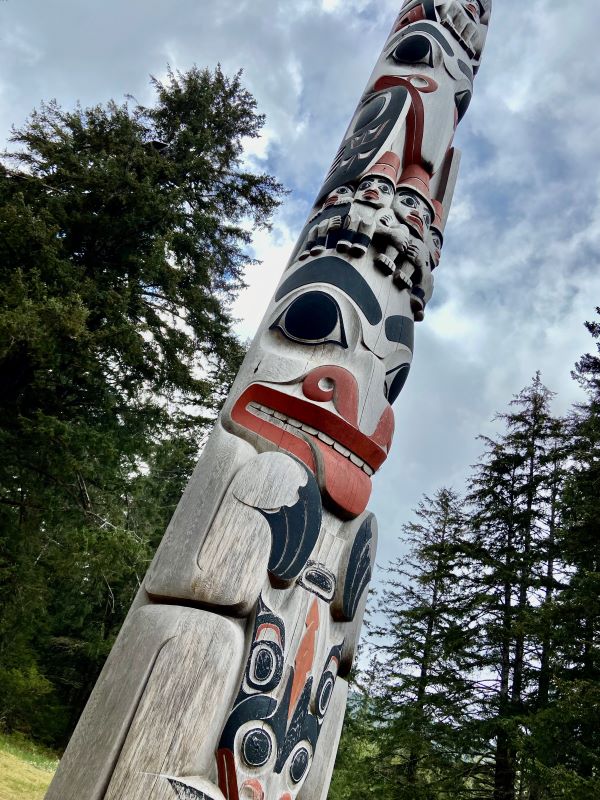
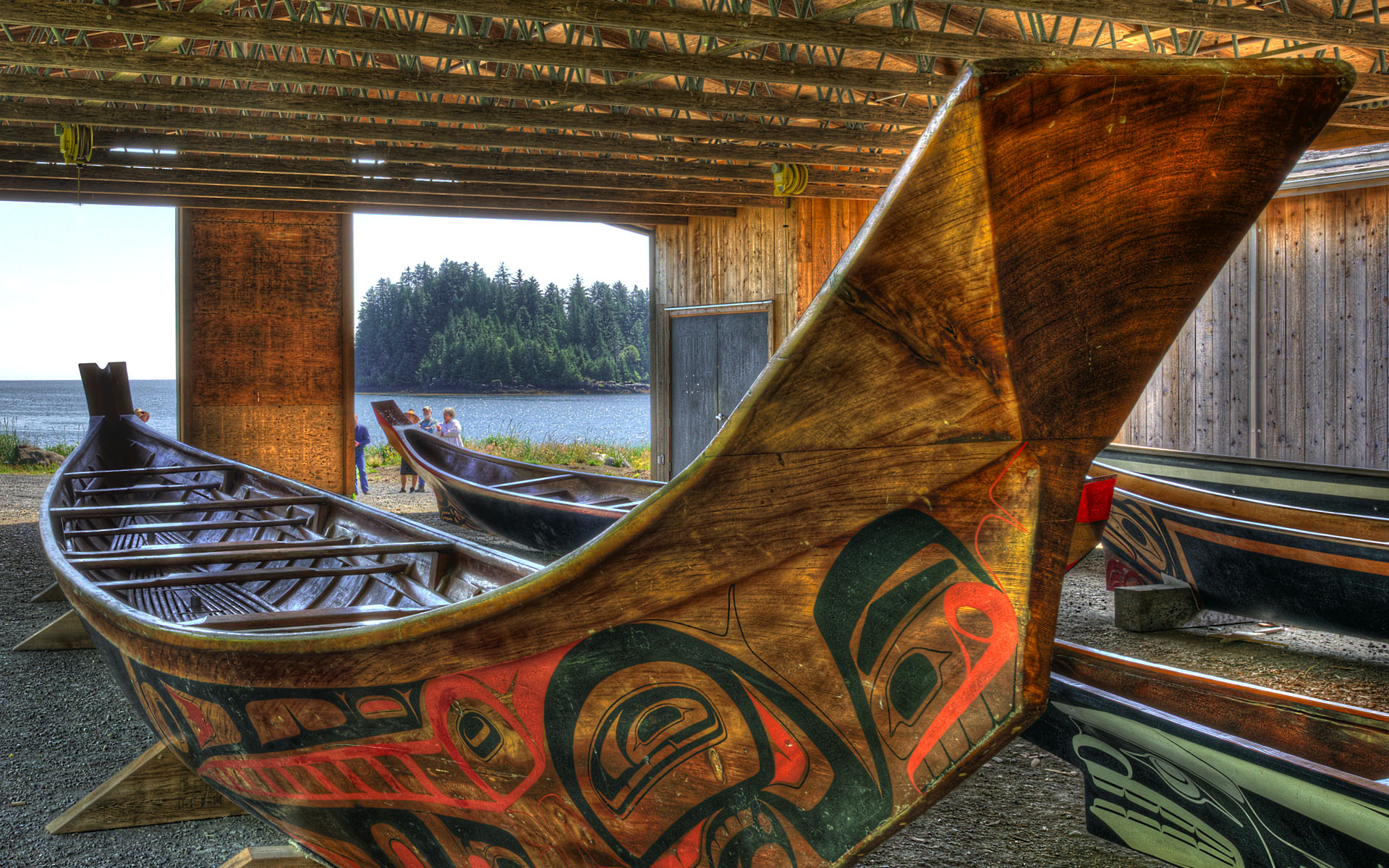
The Haida developed a sophisticated culture closely tied to the ocean. Master canoe builders, fishers, traders, and carvers travelled extensively along the Northwest Coast, establishing trade networks with neighbouring Indigenous nations. Cedar forests provided material for homes, canoes, clothing, and the monumental poles that continue to symbolize Haida artistry and heritage.
Traditional Haida society was built around deep respect for the natural world. Land, sea, and culture were inseparable, a philosophy that continues to guide Haida stewardship today.
European Contact and Cultural Survival
In the late 1700s, European explorers and traders began arriving on the Northwest Coast of Canada. While trade brought new opportunities, it also brought devastating diseases such as smallpox, measles, and typhoid. These epidemics were devastating to these remote Haida communities, dramatically reducing their population from thousands to just a few hundred people by the late nineteenth century.
The impacts of colonial policies, residential schools, and cultural suppression further challenged Haida communities. Despite these hardships, the Haida people preserved their language, traditions, stories, and art through generations. Their resilience ensured that Haida culture not only survived but continues to flourish today
Defending the Islands
A defining chapter in modern Haida history emerged during the 1970s and 1980s when industrial logging threatened large areas of old-growth forest, particularly in southern Haida Gwaii. In response, the Haida Nation led continuous efforts to protect these lands.
In 1985, the Haida Nation designated southern Haida Gwaii as a Haida Heritage Site, and Haida citizens staged a historic blockade on Lyell Island to oppose logging. Their actions drew national attention and became a landmark moment in Indigenous-led conservation. These efforts eventually led to the creation of Gwaii Haanas National Park Reserve and Haida Heritage Site, a protected area co-managed by the Government of Canada and the Council of the Haida Nation. Today, Gwaii Haanas, protected from the ocean floor to the mountain tops, is recognized internationally as a model for collaborative conservation and Indigenous stewardship.
Haida Gwaii Today
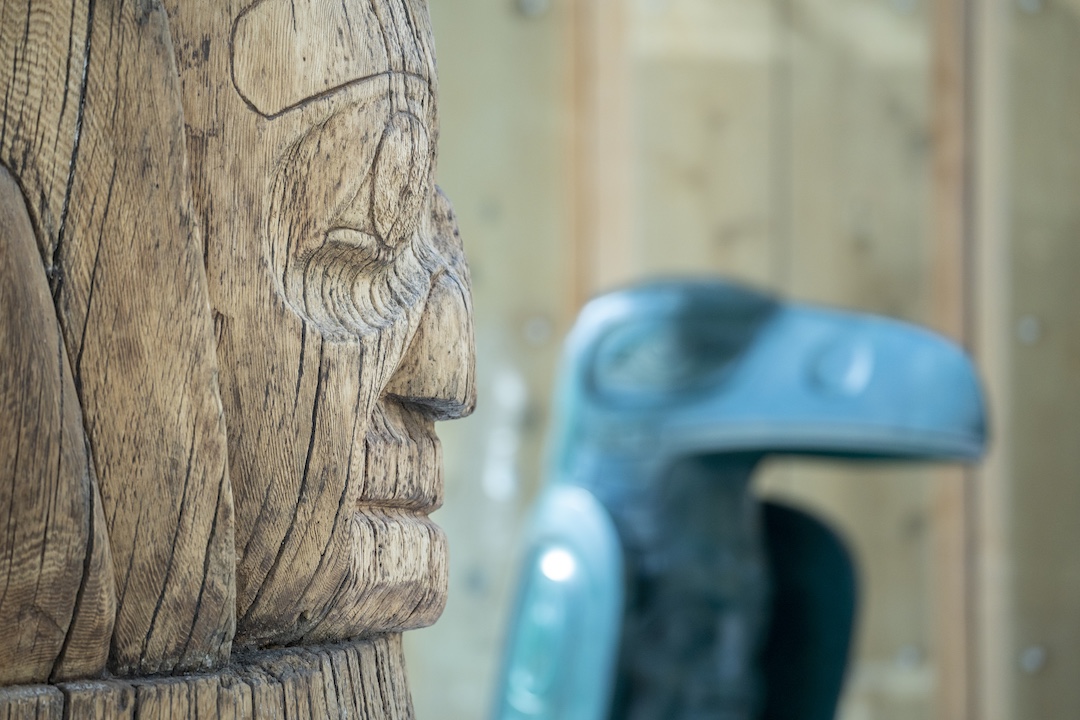
Today, Haida Gwaii is home to approximately 5,000 residents, with Haida citizens making up roughly half of the population. The primary communities include Daajing Giids, Skidegate, Masset, and Old Massett.
Our guests arriving in Haida Gwaii quickly discover that this is more than a stunning destination. It is a place where Indigenous culture remains vibrant and visible. Haida language revitalization programs, carving traditions, cultural centres, community events, and the celebrated works of Haida artists continue to strengthen cultural connections for future generations.
One of the most meaningful visitor experiences is meeting the Haida Watchmen, guardians who protect and interpret the historic village sites throughout Gwaii Haanas. Through storytelling, they help our guests understand the living history of the islands and the importance of preserving these sacred places.
A Model for Stewardship
Haida Gwaii is also increasingly recognized for its approach to environmental stewardship. The Council of the Haida Nation plays a leading role in managing lands and waters, balancing conservation, economic development, and cultural values. Partnerships between the Haida Nation, governments, tourism operators, and local communities are helping protect ecosystems while creating sustainable opportunities for future generations.
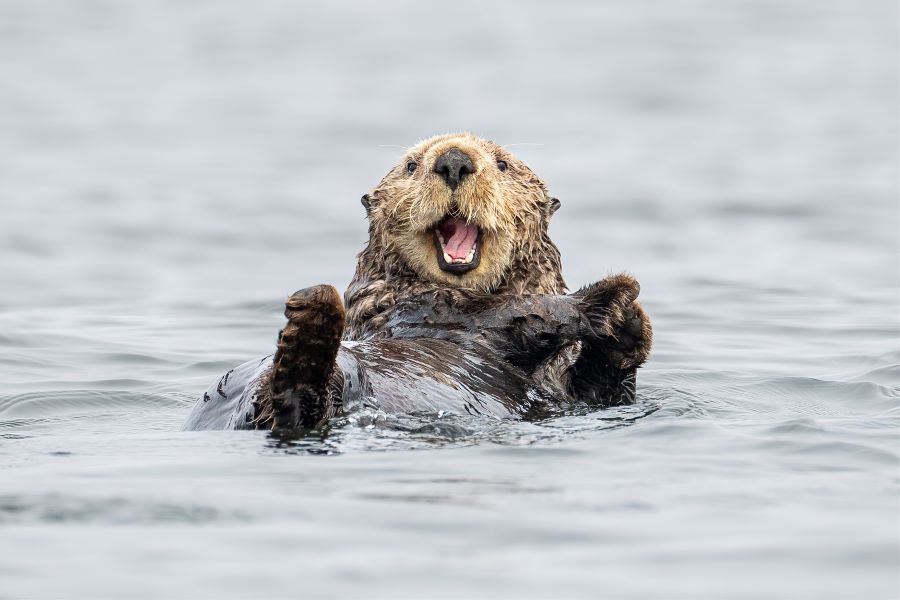
The islands remain a sanctuary for wildlife, from humpback whales and seabirds to ancient cedar forests and North America’s largest black bears. Many species found on Haida Gwaii are unique to the archipelago, making conservation efforts especially important.
A Place That Continues to Inspire
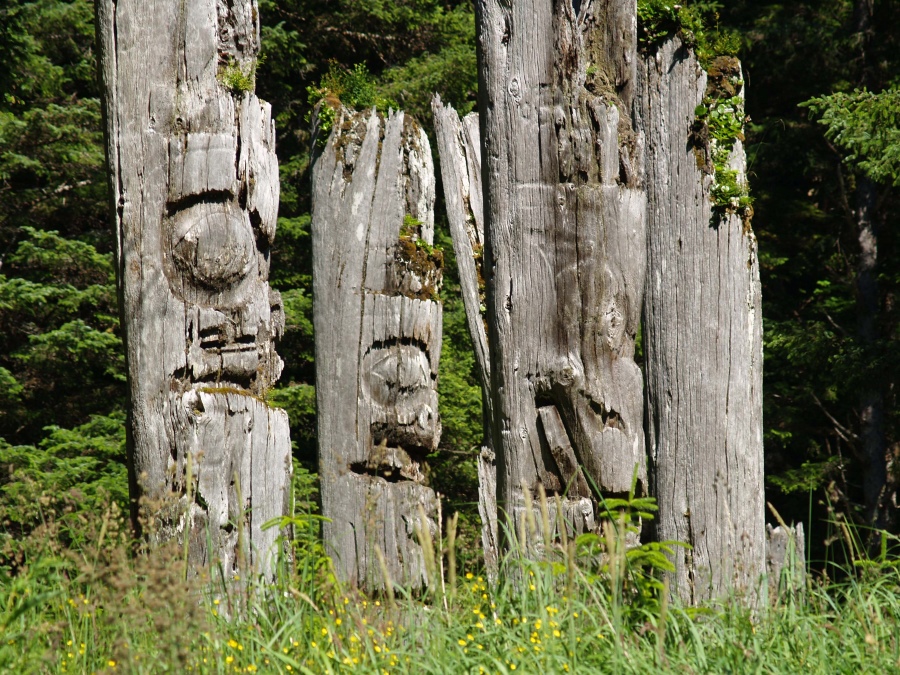
The story of Haida Gwaii is one of endurance, adaptation, and respect for the natural world. From ancient village sites and monumental poles to modern conservation achievements and cultural revitalization, the islands offer a powerful reminder that history is not confined to the past.
In 2024, the Haida Nation, the Government of Canada, and the Province of British Columbia signed historic agreements recognizing that the Haida hold Aboriginal Title to the lands of Haida Gwaii, marking a significant milestone in reconciliation and the recognition of Indigenous rights.
Today, Haida Gwaii remains a living cultural landscape where ancient traditions and contemporary life exist side by side is far more than a destination of extraordinary wilderness and wildlife. It is a place where every beach, forest, and village carries stories that span millennia, and where the deep connection between people and place continues to shape the future.
To travel through Haida Gwaii is to witness a remarkable story still being written: a story of resilience, stewardship, and cultural renewal. It is an experience that leaves our guests with a deeper appreciation for the land, the sea, and the enduring strength of the Haida people long after they have returned home.
Suggested Reading: Haida Gwaii
| “Haida Monumental Art” – George MacDonald |
| “Klee Wyck” – Emily Carr |
| “Ninstints – Haida World Heritage Site” – George MacDonald |
| “The Queen Charlotte Islands 1774-1956” – Kathleen Dalzell |
| “The Raven Steals the Light” – Bill Reid |
| “These Born at Koona” – John and Carolyn Smyly |
| “Northern Haida Master Carvers” – Robin Wright |