
The nutrient-rich, misty waterways of the British Columbia coast are more than just a scenic backdrop—they are a commonly-travelled highway for some of the planet’s most intelligent predators. While the unmistakable silhouette of an orca’s dorsal fin is a common sight at certain times of year, not all of them are playing by the same rules.
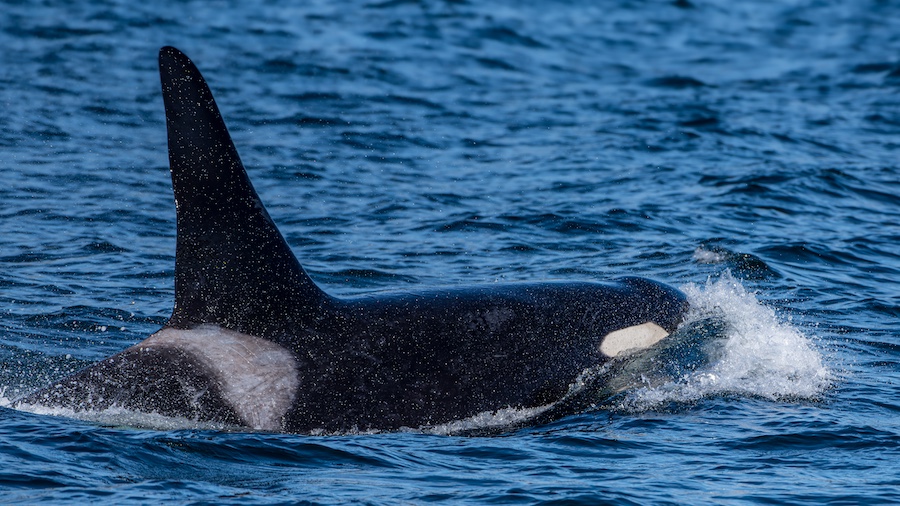
To the untrained eye, orcas appear the same, but in BC, we host three distinct “ecotypes” that differ in diet, language, and social order. There are the Northern and Southern Residents, which are distinct ecotypes from one another, that primarily stay within certain areas to forage, mate, and raise their youngsters. The Bigg’s, or transient orca, are known to travel from southern climes of California all the way to cooler waters of Alaska.
The third ecotype is the seldomly seen Offshore orca that travel in large groups and feed on deep water sharks along the Continental Shelf. Haida Gwaii is the only area where we might spot them – however, sightings are very rare.
Here is how to tell who’s who when you’re out on the water.
Residents vs. Bigg’s: A Tale of Two Lifestyles
| Feature | Resident Orcas (Northern & Southern) | Bigg’s (Transient) |
|---|---|---|
| Diet | Fish-eaters. Specifically forage for Chinook salmon. | Mammal-eaters. They hunt seals, sea lions, and even other whales. |
| Range | Geographically loyal to specific BC inland waters, and at times, north and south of the border. | Nomadic; they roam from California to Southeast Alaska. |
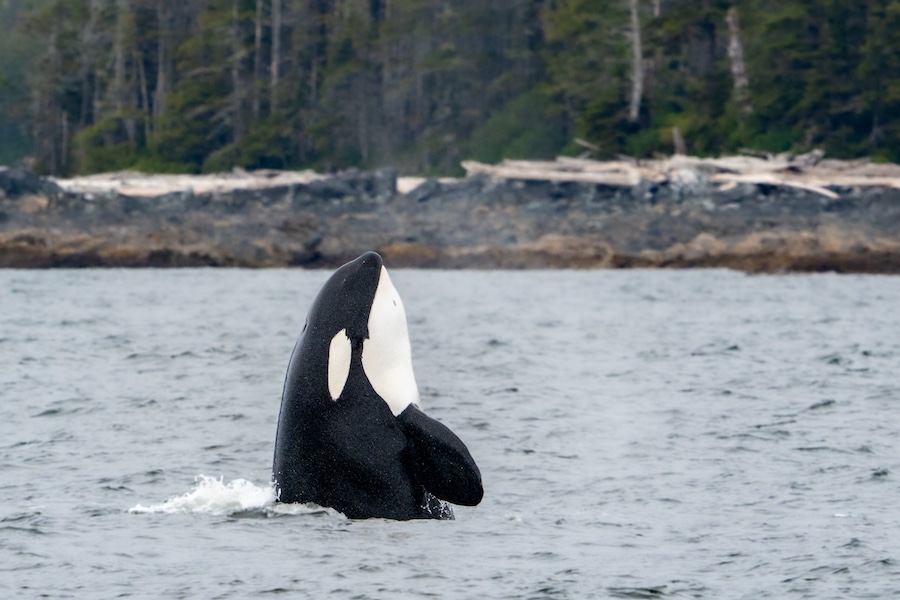
| Dorsal Fin | Often more curved or falcate at the tip. | Sharper, more straight up and down (triangular). |
| Saddle Patch | Can be “open” (containing black swirls). | Usually, solid white and very sharply defined. |
The Language of the Deep
- The Chatty Residents: Residents are vocal and social. Each pod or “matriline” has its own distinct dialect—a complex series of calls that help them stay connected while foraging for salmon.
- The Stealthy Hunters: Bigg’s orcas are the quiet predators of the coast. Because their prey (like seals) has excellent hearing, Bigg’s usually travel in silence, using only close-range clicks and whistles. They typically only “celebrate” and become vocal after a successful hunt.
A Fragile Legacy: The Southern Residents
It is a grim reality that the Southern Resident population is currently struggling. Historically, their numbers were decimated—dropping from over 200 to just 78 in the 60’s and 70’s —due to brutal live-capture trade for captivity and deliberate culling.
Today, they are listed as endangered, with roughly 74 individuals remaining. Their survival is a delicate balance, tied directly to the health of salmon stocks and the quietness of the sea. Whale watching regulations require boats to keep away at least 400m but the sounds of big ships and boats travelling fast still affect them.
The Guardians of the Coast
We owe our current understanding of these whales to pioneers like Dr. Michael Bigg, Dr. John Ford, and Dr. Paul Spong. These researchers dedicated their lives to developing the annual census that allows us to track individuals and understand their complex social orders. First Nations Guardian Watchmen continue the good work today, monitoring Traditional Territories, with eyes on the water in the name of preservation and protection. We are grateful for the people and organizations who work tirelessly to protect wildlife on this wild coast .