Ancient Murrelets, known as SG̲in X̲aana or “night birds” in the Haida language, are an iconic part of the rich marine ecosystem of Haida Gwaii. Their story is one of resilience, conservation, and the ongoing efforts to protect one of Canada’s most important seabird populations.
The Cultural and Ecological Importance of SG̲in X̲aana
Hidden among the remote islands and ancient forests of Gwaii Haanas National Park Reserve and Haida Heritage Site, SG̲in X̲aana (ancient murrelets) have nested for thousands of years. These small seabirds hold deep cultural significance for the Haida Nation, and their breeding colonies were once important traditional harvesting areas.
Today, ancient murrelets are listed as a Species of Special Concern in Canada, making their protection an important conservation priority. Visitors exploring Haida Gwaii’s protected marine and coastal environments may not see these birds during the day, but their presence is a vital indicator of a healthy ecosystem.
How Invasive Rats Changed Haida Gwaii’s Seabird Colonies
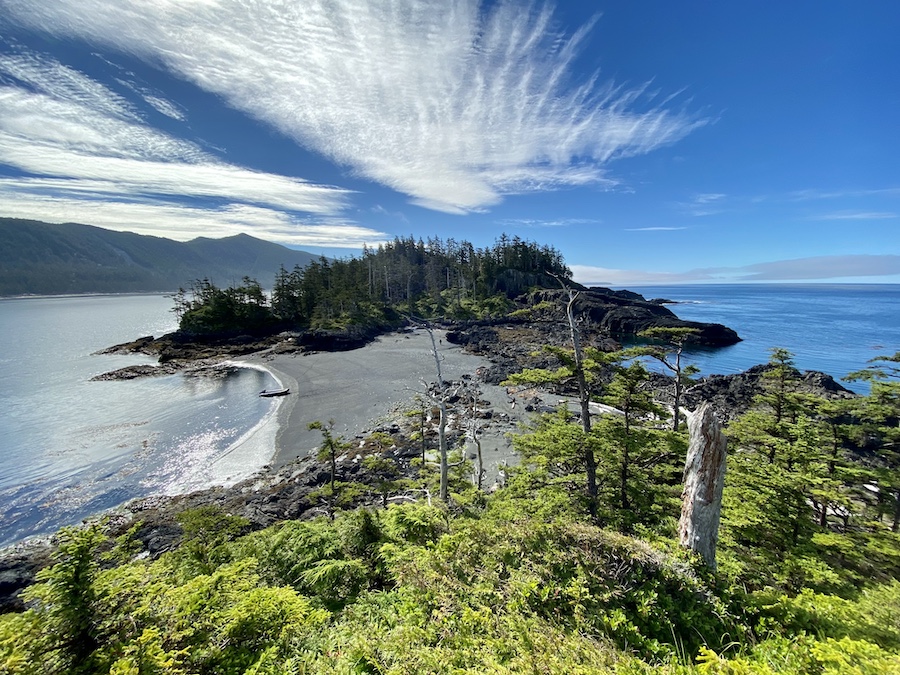
The arrival of European trading ships in the late 1700s brought an unexpected threat to the islands of Haida Gwaii: invasive rats.
Norway rats and black rats quickly established themselves on many islands throughout the archipelago. These invasive species prey on seabird eggs, chicks, and even adult birds, causing severe declines in nesting populations. For ground-nesting birds like ancient murrelets, pigeon guillemots, black oyster catchers, and Cassin’s auklets, rat predation can devastate entire colonies.
Over time, some of Haida Gwaii’s most important seabird nesting islands experienced significant population losses, threatening both biodiversity and cultural heritage.
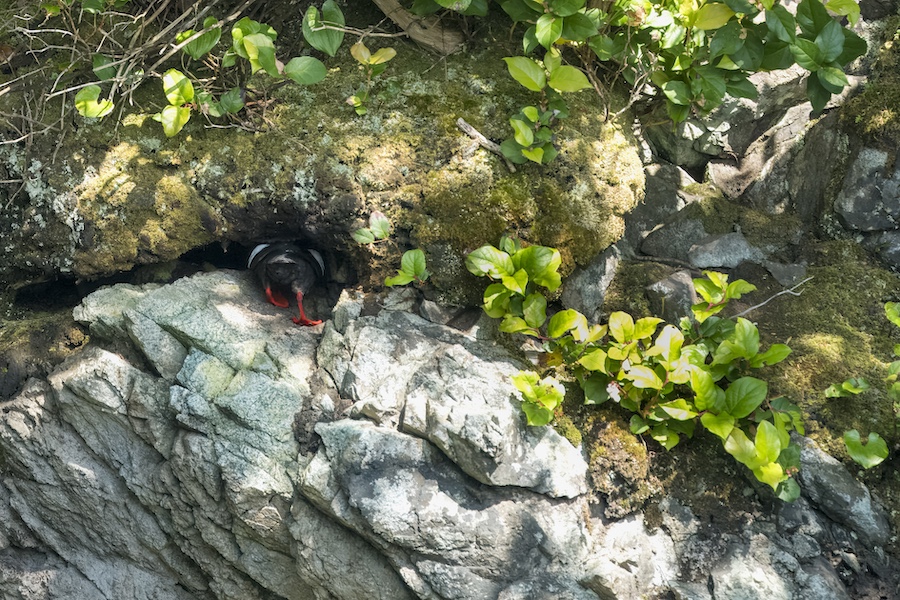
SG̲in X̲aana Sdiihltl’lx̲a: Night Birds Returning
Recognizing the urgent need for action, the Haida Nation, Parks Canada, and Fisheries and Oceans Canada launched the ambitious SG̲in X̲aana Sdiihltl’lx̲a: Night Birds Returning restoration initiative.
Beginning in 2009, the partnership focused on restoring critical seabird habitat throughout Gwaii Haanas.
Phase One: Rat Eradication on Arichika and Bischof Islands
In 2011, field crews successfully removed Norway (brown) rats from Arichika Island and Bischof Island through intensive ground-based eradication efforts. The work required extensive planning, monitoring, and coordination to ensure the protection of native wildlife while eliminating invasive predators.
Phase Two: Protecting Murchison and Faraday Islands
Building on the success of the first phase, a second operation was conducted in 2013 targeting black rat populations on Murchison Island and Faraday Island. Specially formulated rodenticide bait was carefully distributed by helicopter to reach remote and rugged sections of the islands.
The results were encouraging. Monitoring programs documented the return of native species and increases in seabird activity across treated areas. For many conservationists, these outcomes demonstrated that ecosystem recovery was possible when invasive species are removed.
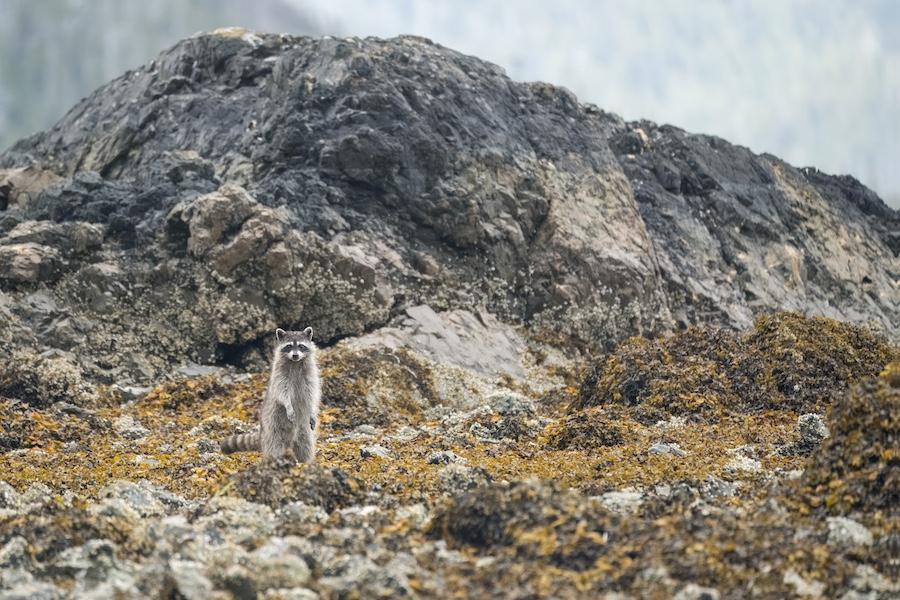
A Continuing Conservation Challenge
While the Night Birds Returning project achieved remarkable success, conservation work in Haida Gwaii is never truly finished.
Rats are highly adaptable and capable of recolonizing previously restored habitats. Between 2017 and 2019, signs of rat activity were once again detected on Bischof Island, G̲andll K’in Gwaay.yaay (Hotspring Island), Xiina Gwaay.yaay (Ramsay Island), and several nearby islands.
More recent observations from spring 2025 suggest that nesting colonies of SG̲in X̲aana (Ancient Murrelets) and Haaja (Cassin’s Auklets) may have been abandoned on Xiina Gwaay.yaay, highlighting the ongoing vulnerability of these seabird populations.
Researchers continue to monitor high-priority seabird colonies throughout Gwaii Haanas while analyzing data collected from previous restoration efforts. These findings will help guide future conservation actions and support long-term ecosystem recovery.
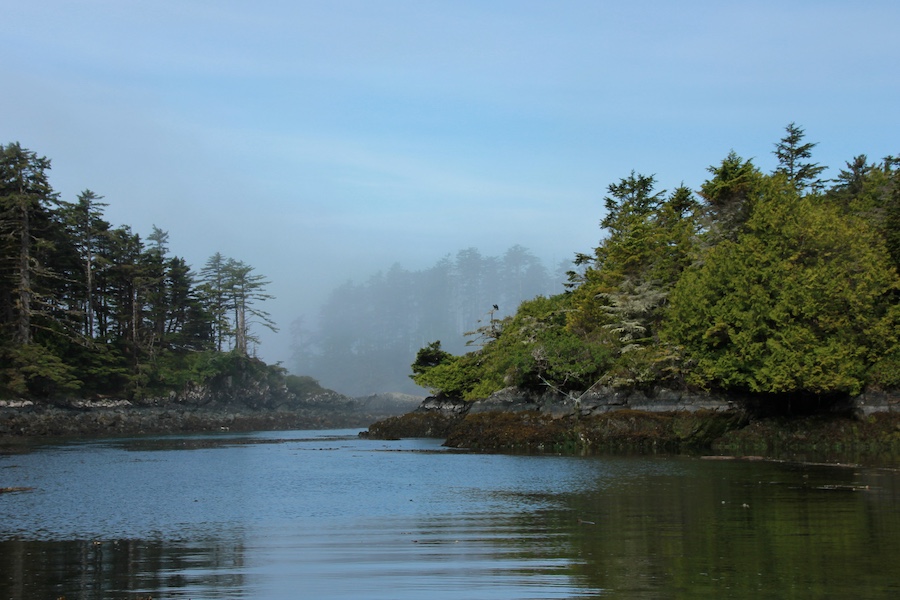
Experience the Natural Wonders of Haida Gwaii with Bluewater Adventures
At Bluewater Adventures, we are privileged to explore the wildlife-rich waters of Haida Gwaii and share stories of conservation, stewardship, and ecological restoration with our guests. Understanding the challenges facing species like SG̲in X̲aana deepens our appreciation for this remarkable region and the collaborative efforts required to protect it.
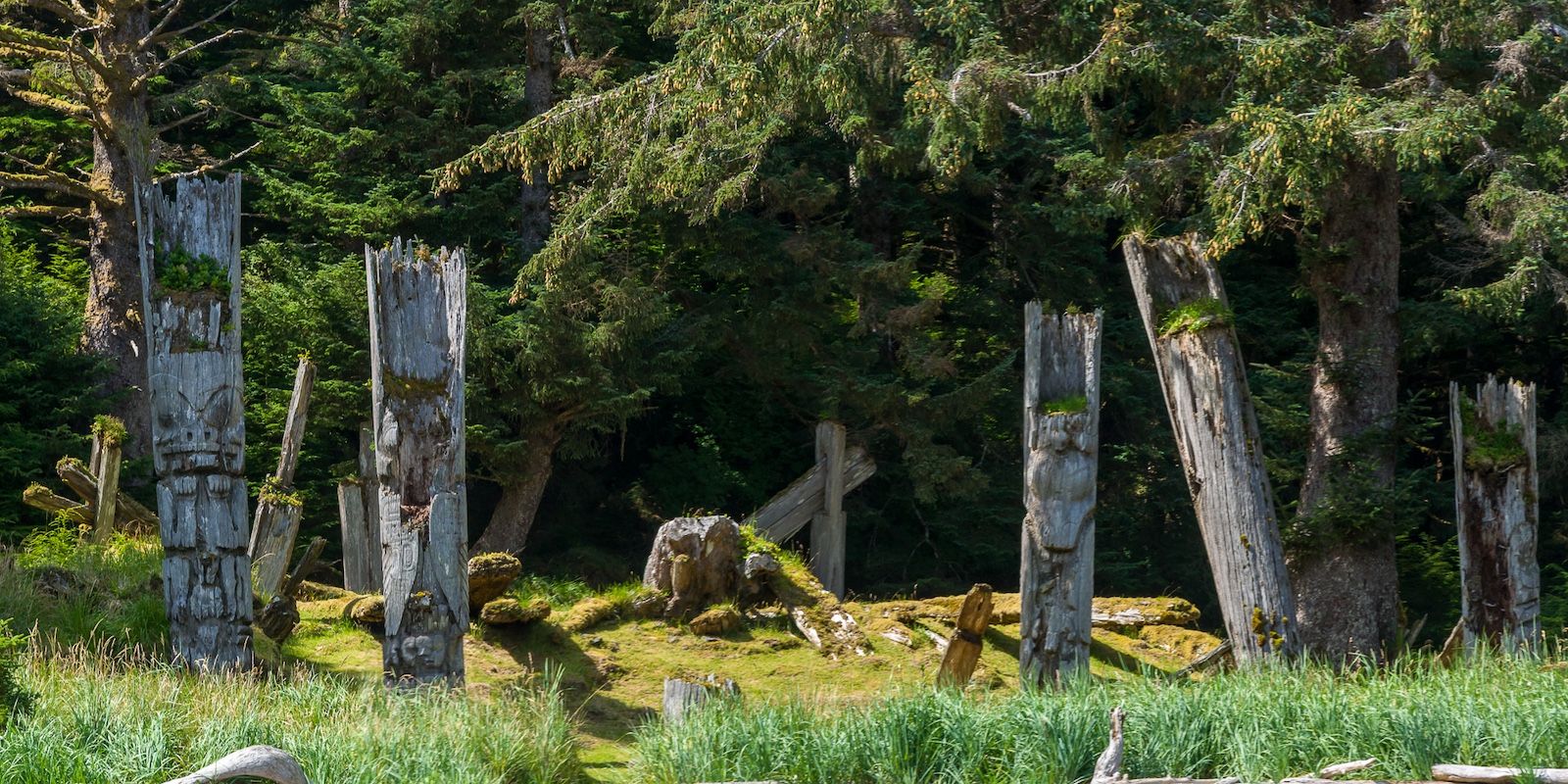
From seabird colonies and ancient rainforests to whales, sea otters, and culturally significant historic Haida Village sites, every journey through Gwaii Haanas offers a deeper connection to the natural world and the importance of conservation tourism.
Learn more about the SG̲in X̲aana Sdiihltl’lx̲a: Night Birds Returning project, watch the official video on YouTube:
Header photo: Tom Stoeri